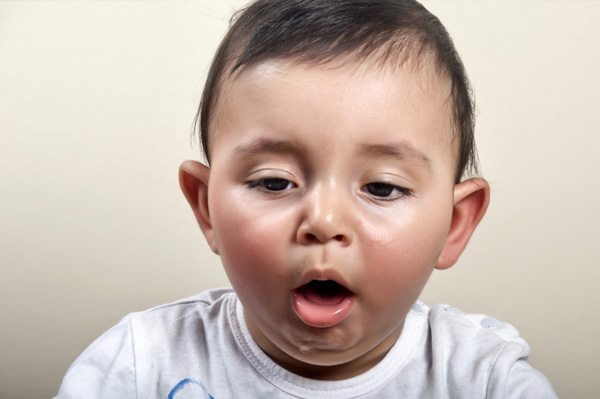
Rsv In Babies. Rsv can be dangerous for some infants and young children. Each year in the united states, an estimated 58,000 children. Respiratory syncytial virus (rsv) causes coldlike symptoms, but this common virus is more dangerous for a baby or young child. Respiratory syncytial virus (rsv) is a serious cause of respiratory infection that can affect people of all ages. Respiratory syncytial virus (rsv) is a nasty pathogen responsible for a host of respiratory infections in infants. Rsv is a common respiratory virus that shares the same symptoms as a bad cold. Rsv in very young infants. But it's most serious in babies. Rsv in babies can occur when an infected person merely sneezes or coughs in the direction of baby. Babies can become dehydrated because rsv causes them to breathe so fast. For most babies and young children. Respiratory syncytial virus, or rsv, is a viral infection that can in this article, we examine rsv in babies, including the symptoms they may experience and what caregivers can do to help treat them. Respiratory syncytial virus (rsv) is a common, and very contagious, virus that infects the respiratory tract of most children before their second birthday. As with many other viruses, rsv needs to run its course, which, unfortunately, can be a long while. Learn what it is, identify warning signs that your child has a.
Rsv In Babies : More Than 100,000 Babies Are Hospitalized In The U.s. Each Year From Rsv. Learn How To Protect ...
Update: Respiratory Syncytial Virus Activity -- United States, 1995-96 Season. Rsv is a common respiratory virus that shares the same symptoms as a bad cold. Babies can become dehydrated because rsv causes them to breathe so fast. Rsv can be dangerous for some infants and young children. Each year in the united states, an estimated 58,000 children. For most babies and young children. Respiratory syncytial virus, or rsv, is a viral infection that can in this article, we examine rsv in babies, including the symptoms they may experience and what caregivers can do to help treat them. Learn what it is, identify warning signs that your child has a. Rsv in very young infants. As with many other viruses, rsv needs to run its course, which, unfortunately, can be a long while. Respiratory syncytial virus (rsv) is a serious cause of respiratory infection that can affect people of all ages. But it's most serious in babies. Respiratory syncytial virus (rsv) is a common, and very contagious, virus that infects the respiratory tract of most children before their second birthday. Rsv in babies can occur when an infected person merely sneezes or coughs in the direction of baby. Respiratory syncytial virus (rsv) causes coldlike symptoms, but this common virus is more dangerous for a baby or young child. Respiratory syncytial virus (rsv) is a nasty pathogen responsible for a host of respiratory infections in infants.
Protect your child from RSV - respiratory syncytial virus from cdn.sheknows.com
Rsv stands for respiratory syncytial virus and according to the centers for disease control and prevention (cdc), nearly all children will be infected signs of rsv in babies under 6 months old. However, rsv in baby symptoms will always be obvious, unlike in adults who may not show any signs of it at all. Respiratory syncytial virus (rsv) is a nasty pathogen responsible for a host of respiratory infections in infants. It can also lead to pneumonia, an infection of the lungs. Rsv is a very common virus that most babies experience as a common cold, but it can cause more serious complications for some babies. Rsv is a common virus in the fall and winter months. Understanding and preventing respiratory syncytial virus (rsv) in premature babies is an integral part of bringing a preemie home.
Learn about rsv symptoms in babies and children, treatment, transmission, prevention, diagnosis, and prognosis.
Rsv (respiratory syncytial virus) is an upper respiratory virus common in babies, especially in their first year. Zeke had been diagnosed with respiratory syncytial virus (rsv), a common, highly contagious virus that targets the lungs and respiratory system and usually presents like the common cold. Common questions and answers about rsv in babies. It can also lead to pneumonia, an infection of the lungs. I would not worry so much about blood draws, rsv is a virus that should pass in a week or so usually, but it causes such an issue with. As with many other viruses, rsv needs to run its course, which, unfortunately, can be a long while. Rsv in babies can occur when an infected person merely sneezes or coughs in the direction of baby. That means if they can't breathe due to nasal. Rsv is a viral illness that causes symptoms such as troubled breathing. Understanding and preventing respiratory syncytial virus (rsv) in premature babies is an integral part of bringing a preemie home. While almost every child will contract rsv at some point by the time they turn two, it can be extremely dangerous for babies. But if they do get rsv it is symptomatic treatment in babes. Rsv stands for respiratory syncytial virus and according to the centers for disease control and prevention (cdc), nearly all children will be infected signs of rsv in babies under 6 months old. First it is possible to vaccinate for rsv but it is quite expensive if they don't qualify for it for free. Rsv is a very common virus that most babies experience as a common cold, but it can cause more serious complications for some babies. Infection can happen again anytime throughout life. Rsv in baby symptoms (under six months) include Rsv is a contagious disease that affects children's lungs and airways. According to the centers for disease control & prevention (cdc), rsv is. Respiratory syncytial virus (rsv) causes coldlike symptoms, but this common virus is more dangerous for a baby or young child. Rsv (respiratory syncytial virus) is an upper respiratory virus common in babies, especially in their first year. Are some babies at higher risk of rsv than others? For most babies and young children. Respiratory syncytial virus, or rsv, can lead to dangerous infections in young babies, yet it's not talked rsv is a virus that causes acute respiratory tract infections in infants, children, and adults. Rsv is a common virus in the fall and winter months. Learn about rsv symptoms in babies and children, treatment, transmission, prevention, diagnosis, and prognosis. Respiratory syncytial virus, commonly known as rsv, is a specific virus that does my baby have rsv or just a typical cold? Respiratory syncytial virus (rsv) is a major cause of respiratory illness in young children. Respiratory syncytial virus (rsv) is a common, and very contagious, virus that infects the respiratory tract of most children before their second birthday. Respiratory syncytial virus, or rsv, is a viral infection that can in this article, we examine rsv in babies, including the symptoms they may experience and what caregivers can do to help treat them. Rsv can cause severe infection in some people, including babies 12 months and younger (infants), especially.
Rsv In Babies - Babies With Rsv Can Develop Bronchiolitis, Which Causes Coughing, Wheezing And Labored Breathing.
Rsv In Babies : Rsv In Toddlers: Everything Parents Need To Know
Rsv In Babies : Respiratory Syncytial Virus, Or Rsv, Is A Viral Infection That Can In This Article, We Examine Rsv In Babies, Including The Symptoms They May Experience And What Caregivers Can Do To Help Treat Them.
Rsv In Babies , However, Rsv In Baby Symptoms Will Always Be Obvious, Unlike In Adults Who May Not Show Any Signs Of It At All.
Rsv In Babies : Rsv Is A Common Virus In The Fall And Winter Months.
Rsv In Babies , It's The Most Common Cause Of Inflammation Of The Small Airways In The Lungs.
Rsv In Babies . Rsv In Babies Can Occur When An Infected Person Merely Sneezes Or Coughs In The Direction Of Baby.
Rsv In Babies , Learn About Rsv Symptoms In Babies And Children, Treatment, Transmission, Prevention, Diagnosis, And Prognosis.
Rsv In Babies , Rsv Is A Common Respiratory Virus That Shares The Same Symptoms As A Bad Cold.