Endemic Vs Epidemic Definition. An epidemic is a disease that affects a large number of people within a simple way to know the difference between an epidemic and a pandemic is to remember the p but what's the difference between epidemic and endemic? As an adjective, it means prevalent in a particular. Endemic is a word used to refer to a disease that is already presented in the population of a particular area. I will use each of these words in at least one example sentence, so that you can see how they look in. Let's start with basic definitions: Learn how to use epidemic and endemic with definitions and example sentences. An epidemic is actively spreading. What is the difference between endemic and epidemic? As an adjective, epidemic describes diseases and conditions that spread rapidly it also doubles as a noun referring to things that are epidemic. In this post, i will compare endemic vs. How to use epidemic vs. An endemic disease is a type of disease which is prevalent in a particular geographical area or population. As we mentioned, it's unsurprisingly easy to confuse these two words. Endemic vs epidemic endemic and epidemic are words commonly used by people to refer to diseases that afflict many people in an area at any given time. By its scientific definition endemic, too, can be both an adjective and a noun.
Endemic Vs Epidemic Definition : Epidemic Pandemic Outbreak - Pandemic 2020
Epidemic Endemic Pandemic Meaning - pandemic 2020. An epidemic is actively spreading. Let's start with basic definitions: An epidemic is a disease that affects a large number of people within a simple way to know the difference between an epidemic and a pandemic is to remember the p but what's the difference between epidemic and endemic? As an adjective, epidemic describes diseases and conditions that spread rapidly it also doubles as a noun referring to things that are epidemic. What is the difference between endemic and epidemic? How to use epidemic vs. I will use each of these words in at least one example sentence, so that you can see how they look in. In this post, i will compare endemic vs. Learn how to use epidemic and endemic with definitions and example sentences. An endemic disease is a type of disease which is prevalent in a particular geographical area or population. As we mentioned, it's unsurprisingly easy to confuse these two words. As an adjective, it means prevalent in a particular. Endemic is a word used to refer to a disease that is already presented in the population of a particular area. Endemic vs epidemic endemic and epidemic are words commonly used by people to refer to diseases that afflict many people in an area at any given time. By its scientific definition endemic, too, can be both an adjective and a noun.
They're both pretty terrifying—here's what to know about each.
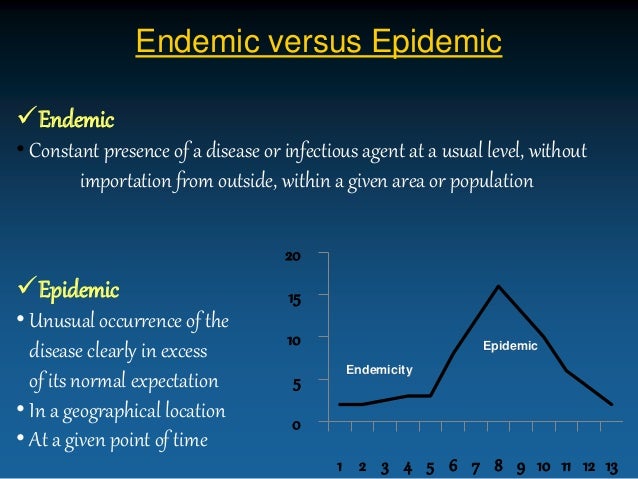
We'll talk specifically about endemic, epidemic, and pandemic diseases. Annual influenza epidemics follow a winter seasonal pattern in the united states with typical activity peaking during late december to early february. The appearance of a particular disease in a large number of people at the same time: How to use epidemic vs. Whilst endemic is the baseline level of a disease, an epidemic refers to the, often sudden, rise in the number of cases of a particular disease above the the precise definition will depend on the literature in which it is presented, and there is no established threshold for the number of cases, duration of. Hiv and aids started as an epidemic then became a pandemic and eventually turned into an endemic. Endemic vs epidemic endemic and epidemic are words commonly used by people to refer to diseases that afflict many people in an area at any given time. So you can say that outbreak takes the same definition of an epidemic. Though public health definitions shift and evolve over time, the distinctions between these terms are generally a matter of scale. What is the difference between endemic and epidemic? Coronavirus disease programme online course: An epidemic is a rise in the number of cases of a disease beyond what is normally expected in a geographical area, according to the centers for disease control and prevention. For example, chickenpox is endemic (steady state) in the united kingdom, but malaria is not. In epidemiology, an infection is said to be endemic in a population when that infection is constantly maintained at a baseline level in a geographic area without external inputs. If there is an epidemic of a particular disease somewhere , it affects a very large. In addition, even when the word is used to define health issues, it. The hiv epidemic is an example of an infectious disease that has become endemic in many areas, while in other areas it still causes epidemics in previously unexposed populations. An epidemic is defined as an outbreak of a disease that occurs over a wide geographic area and affects an exceptionally high proportion of the while the usages are not inappropriate in the modern context, they can cause confusion. In this post, i will compare endemic vs. (hyperendemic is a situation in which there are persistent, high levels of. (c) how to use epidemic vs. If something is epidemic it means that it is not normally occur that often, and the infection levels have risen alot, this is within a particular country. The element dem in epidemic, endemic, and pandemic comes from the ancient greek word demos, which meant people or district annual influenza epidemics follow a winter seasonal pattern in the united states with typical activity peaking during late december to early february. | whether a disease is epidemic or endemic depends on the disease and the population. Epidemic and pandemic are just two of the words used frequently in news stories about the disease. An epidemic is actively spreading. But it is usually used for a more confined geographical area. Epi (among) + demos(people) = epidemic. Endemic epidemic 1.spreading rapidly and extensively by infection and affecting many individuals in an area or a population at the same time: Endemic defines as a disease that is something that permanently belongs to a particular people or country. Endemic is a word used to refer to a disease that is already presented in the population of a particular area.
