Endemic Species Examples Apes. Endemic species are plants or animals that exist only in one geographic region. Species can be endemic to large or small areas endemism, or the occurrence of endemic animals and plants, is more common in some regions than in others. Endemic species can be classified into two categories: The reasons for the change can be numerous and varied. As stated earlier, endemic species are those that live or grow in a very specific and very limited piece of territory on this planet. For example, the hawaiian islands in australia, and the southern tip of africa, as many of 90% of naturally occurring species are endemic. A broad categorization of endemism would be the marsupials of australia. Endemic species endemic species are plants and animals that exist only in one geographic region. Species that used to be found in numerous areas but are now confined to a particular location are called paleoendemic. An endemic species are important because they are in the habitats restricted to a particular area due to climate change, urban development or other occurrences. Interestingly, it is a bit of a fuzzy definition, as many species can be defined as endemic, and there there are tons of examples: Endemic species are often endangered, and particular examples may become a focus point for campaigns to protect biodiversity in a given environment. Endemic species are species that inhabit specific regions, and exist nowhere else in the world. In isolated environments such as the. They can be endemic to large or small areas, to a particular continent, or even a single island.
Endemic Species Examples Apes : Hawaii Division Of Forestry And Wildlife: Native Species Of The Week - 'Ōpe'ape'a; Hawaiian ...
【reptiles】什么意思_英语reptiles的翻译_音标_读音_用法_例句_在线翻译_有道词典. Interestingly, it is a bit of a fuzzy definition, as many species can be defined as endemic, and there there are tons of examples: Endemic species are species that inhabit specific regions, and exist nowhere else in the world. The reasons for the change can be numerous and varied. In isolated environments such as the. For example, the hawaiian islands in australia, and the southern tip of africa, as many of 90% of naturally occurring species are endemic. As stated earlier, endemic species are those that live or grow in a very specific and very limited piece of territory on this planet. They can be endemic to large or small areas, to a particular continent, or even a single island. Endemic species are often endangered, and particular examples may become a focus point for campaigns to protect biodiversity in a given environment. Species that used to be found in numerous areas but are now confined to a particular location are called paleoendemic. A broad categorization of endemism would be the marsupials of australia. Endemic species can be classified into two categories: Endemic species endemic species are plants and animals that exist only in one geographic region. Endemic species are plants or animals that exist only in one geographic region. Species can be endemic to large or small areas endemism, or the occurrence of endemic animals and plants, is more common in some regions than in others. An endemic species are important because they are in the habitats restricted to a particular area due to climate change, urban development or other occurrences.
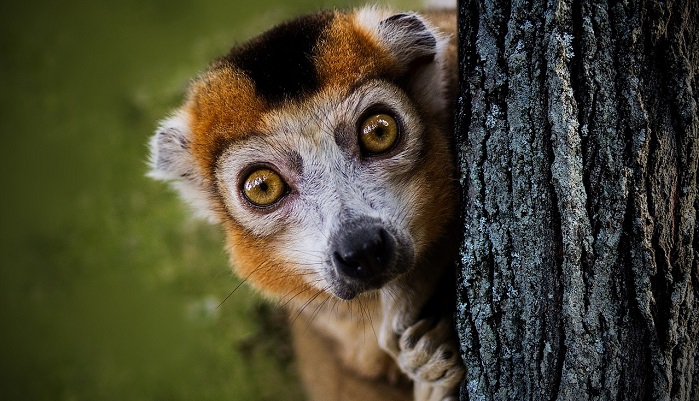
Narrowly endemic species may possess traits (other than small range size) that influence their vulnerability to endangerment.
Endemic species are plants or animals that exist only in one geographic region. An example of an endemic animal species is the galápagos mockingbird which can only be found on the galápagos islands archipelago. Restricted only to a small, local geographic area, in. Each of the above cited endemism types. Endemic species endemic species are plants and animals that exist only in one geographic region. Vittatus were found at the southern and western shores of baikal that are separated by the angara. For an overview of this subject see endemism in birds. Endemic species are species that inhabit specific regions, and exist nowhere else in the world. Oftentimes the only barrier to reproduction is geographic, or based on the there are many different situations and examples of reproductive barriers, but if the barrier can be removed, it is likely that two related species will be able to interbreed. Endemism is an ecological word meaning that a plant or animal lives only in a particular location, such as a specific island, habitat type, nation or other defined zone. This article is one of a series providing information about endemism among birds in the world's various zoogeographic zones. Learn vocabulary, terms and more with flashcards, games and other study tools. For example, the hawaiian islands in australia, and the southern tip of africa, as many of 90% of naturally occurring species are endemic. Start studying chapter 9 apes. Some endemic species and species found only locally, outside their normal range, are relicts (survivors from distant epochs). The range of this particular variety of mockingbird is so small that it is located exclusively within ecuador's galápagos national park. Looking for sentences with endemic species? This link goes to an independent website's archived copy; A broad categorization of endemism would be the marsupials of australia. As stated earlier, endemic species are those that live or grow in a very specific and very limited piece of territory on this planet. Species that used to be found in numerous areas but are now confined to a particular location are called paleoendemic. …relatively small ranges are called endemic species. Loss of habitat and loss of genetic variation. For example, an endemic species may be. In ecology, an endemic species refers to a species that is native to where it is found. The reasons for the change can be numerous and varied. According to the international union for conservation of nature, while in 1998. For example, to protect endangered species of fish, water from a stream may be withheld from farmers during a drought, protecting the fish but causing such introduced species can have catastrophic impacts on endemic (native) species. A new, unknown virus, for example, could kill hundreds or even thousands of individuals before being identified. Because of human destruction of their habitats, species whose geographical range is small are at the greatest risk of being endangered. For example, the limited dispersal abilities and specialized habitat requirements of many narrowly endemic species may make them particularly sensitive to and slow to.
